What varicose veins are
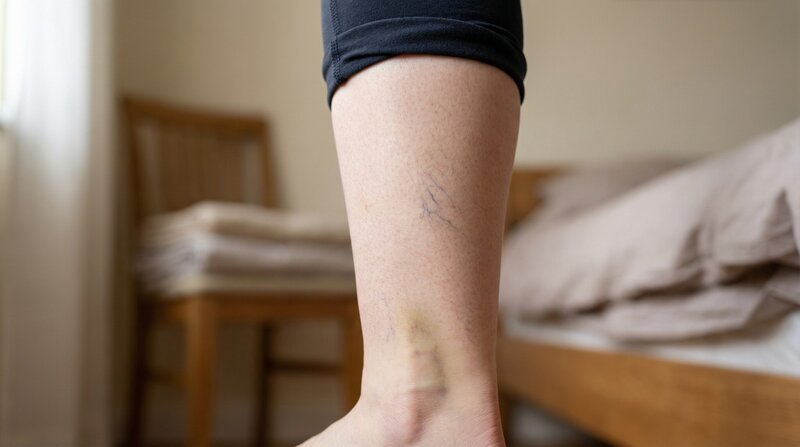
Varicose veins are the most common disorder of the superficial venous system — enlarged, twisting, prominent veins that surface in the lower legs. The condition is not dangerous or life-threatening, but it can cause real discomfort and aching.
Because they affect so many people and shape everyday comfort and confidence, varicose veins are a significant health and social concern — particularly for women.
How varicose veins form
Humans are almost unique in the animal world: we stand upright — and we get varicose veins. Upright posture makes it harder for blood to return up the legs against gravity, raising the pressure inside the veins. The signs are easy to spot:
- Heaviness and tension in the legs by day’s end or after long standing
- Swelling around the ankles
- Itchy skin over the affected veins
- Painful muscle cramps, often eased by raising or resting the legs
- Visible, prominent veins — and the aesthetic concern they bring
Caring for your veins
Varicose veins themselves should be assessed by a doctor, but daily circulation support can ease the heaviness, aching and tension that come with them.
- Massage a supportive vein balm into the legs to cool, soothe and stimulate circulation
- Elevate the legs and avoid long periods of standing still
- Stay active to keep blood moving
- See a doctor to assess the veins and rule out complications
Our recommendation: Veno Balm — Veno Balm’s horse chestnut and grape leaf are traditional allies for vein health — cooling, soothing and supporting circulation in legs prone to varicose and spider veins.